The Quiet Difference Between Solitude and Loneliness
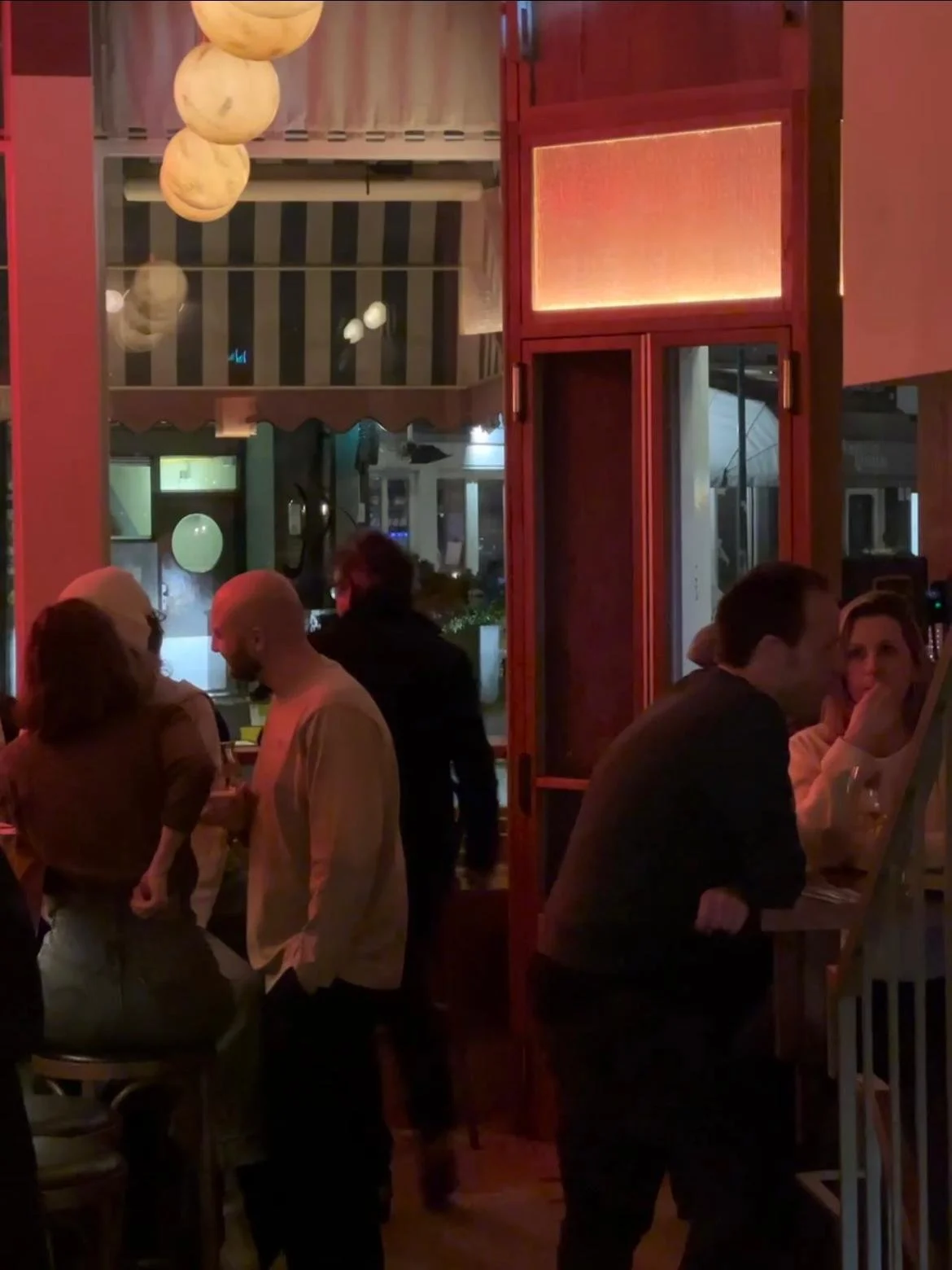
Before we talk about living in solitude, I think it’s important to name what it is not.
For a long time, I confused solitude with loneliness. I treated them as the same shadow, when in truth, they are opposites wearing similar shapes.
Loneliness is a painful, negative state.
It is feeling alone, disconnected, cut off from other people — sometimes even when you are surrounded by them. It feels unimportant. Unseen. It drains you. You can be busy, productive, socially surrounded, and still feel deeply lonely.
Solitude, on the other hand, is a positive state.
It is being perfectly content with your own company. It is grounding. Nourishing. A place where creativity, fresh insight, and growth can breathe. Solitude doesn’t take from you — it gives.
They may look similar from the outside, but internally, they could not be more different.
For a long time, I felt deeply lonely. No matter what I did or how I filled my time, the feeling followed me. At one point, I had three jobs — not because I needed them, but because I couldn’t sit still. I always felt the need to do something. To be occupied. Distracted. Needed.
I couldn’t rest.
I couldn’t just be on my own.
Eventually, it got so overwhelming that I ran — quite literally — to the other side of the world. I thought distance would fix it. I thought movement would quiet the ache. Instead, I found myself truly alone for the first time.
And it was terrifying.
At first, solitude felt confronting. There was nowhere to hide. The silence felt loud. I felt watched, judged — as if everyone around me could see that I was alone and was silently criticising me for it. Every movement felt self-conscious. Every thought felt exposed.
But then something shifted.
Solitude stopped feeling like being on my own and started to feel like time slowing down. Space opening. My mind clearing. I began to notice things again — really notice them.
The birds chirping.
The wind gently moving through my hair.
The pages of my journal flicking over.
The warmth of the sun against my skin.
Distant conversations. Clinking coffee cups.
I noticed beauty — not in big, dramatic moments, but in the quiet ones most people rush past.
And what a wonderful thing that is.
Solitude isn’t just physical aloneness. It’s a mental state. A clear mind. No distractions. A willingness to be present with what is actually happening, both around you and within you.
Loneliness says, I am incomplete without someone else here.
Solitude says, I am whole enough to sit with myself.
Through solitude, I began learning from my own thoughts instead of avoiding them. I started asking questions I’d long ignored.
Who am I — without my occupation?
Without where I’m from, my nationality, my past?
Without my hobbies, labels, social markers, or expectations?
If I had to introduce myself without mentioning any of those things… who would I be?
It’s not an easy question. I still don’t always know the answer. And that’s okay. Solitude makes room for not knowing. For uncertainty. For unfinished sentences.
A few years ago, if someone had asked me this, I wouldn’t have liked my answer. It would have been confronting. But with time spent alone — real, intentional solitude — I’ve been able to discover who I am without the hurt, without the noise, and without performing.
And perhaps more importantly, who I want to become.
Solitude has now become one of my most valued traits. I plan my weeks around it. I protect it. Not because I don’t value connection — but because solitude makes my connections healthier. Softer. Chosen, rather than clung to.
The danger is not being alone.
The danger is believing that being alone means being unlovable.
Loneliness feeds on that belief. Solitude gently dismantles it. It teaches you how to rest without guilt. How to sit with discomfort without needing to fill every silence. How to trust your own presence.
And one day, without making a spectacle of it, the silence stops aching. The room feels full again — not of noise, but of steadiness. Your own company becomes enough.
Not forever.
Not instead of love.
But enough to breathe. Enough to wait. Enough to choose.
Perhaps the goal isn’t to eliminate loneliness entirely — it’s a human feeling, after all — but to recognise when we can lean into solitude instead of running from it. To see quiet not as emptiness, but as an opening.
Because when you learn to be alone without feeling abandoned, you carry that grounding everywhere you go. Into relationships. Into friendships. Into the lives you are still unfolding.
And that, I think, is where real wholeness begins — not in being surrounded, but in being deeply, gently at home within yourself.
With time, you learn the subtle difference between being alone and being abandoned.
You learn that silence is not empty,
and that stillness does not mean something is missing.
That needing no one in a moment does not mean you will always need no one.
You begin to understand that connection doesn’t come from clinging,
and presence doesn’t require noise.
That sharing space is different from sharing yourself, and that being surrounded
does not always mean being held.
You learn that distraction is not peace,
and busyness is not belonging.
That filling your days
is not the same as filling your life.
And slowly —
without ceremony —
you start to soften.
You stop measuring your worth
by who stays,
by who chooses you,
by who reaches first.
You learn to sit with uncertainty
without asking it to leave.
You realise that even comfort,
when forced, can bruise.
That even light,
when taken in excess, can burn.
So you learn to tend to yourself.
To build quiet routines.
To make space that feels safe.
To plant things that will grow
whether or not anyone is watching.
You begin to trust
your ability to endure.
To stay present through the ache.
To be gentle without becoming small.
And one day,
almost without noticing,
you are no longer waiting
to be rescued from your own life.
You are standing in it —
steady, open, unafraid —
with the grace of a woman
who knows she can hold herself.
And with every quiet moment,
every returned breath,
every evening spent alone
without feeling lost —
you learn.
And you learn.
And you learn.